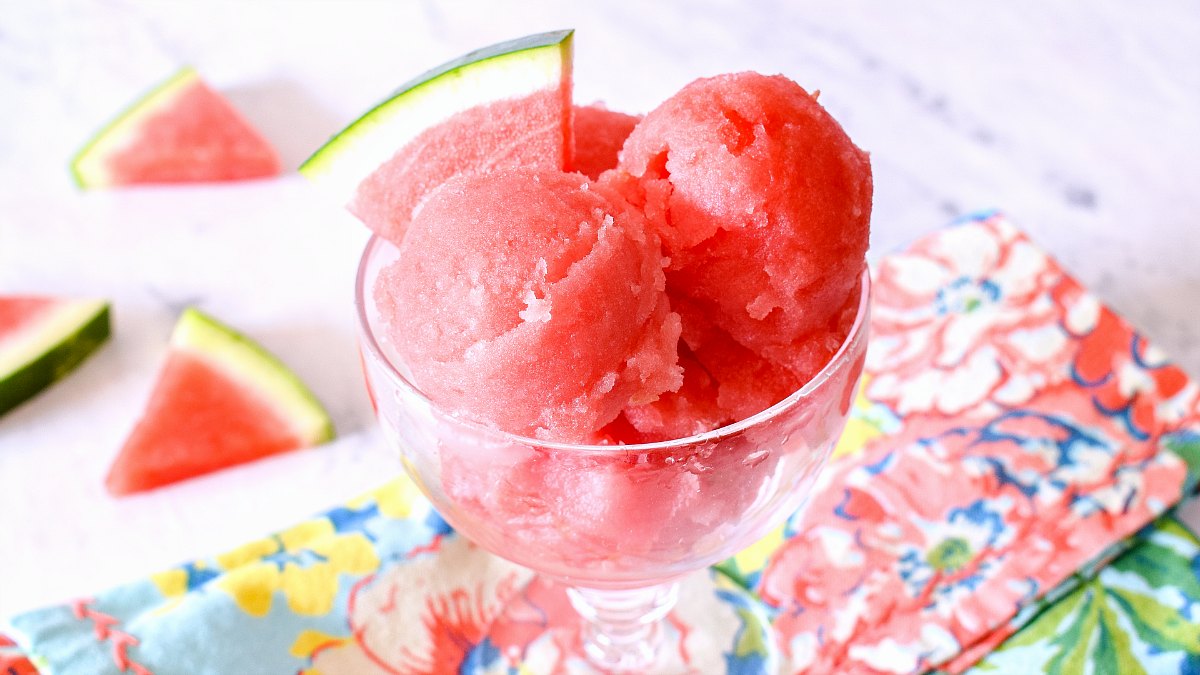
Crafting the Ultimate Watermelon Sorbet: The Secret Lies in the Melon
As the mercury rises and the days stretch long, there's nothing quite as satisfying as a scoop of vibrant, frosty homemade watermelon sorbet. This quintessential summer dessert is more than just a sweet treat; it's a dairy-free, naturally vegan, and gluten-free beacon of refreshment that promises to cool you down from the inside out. While the recipe itself is wonderfully straightforward, the true magic of an exceptional watermelon sorbet begins long before you even touch a blender: it starts with choosing the perfect, ripe watermelon.
Imagine biting into a spoonful of sorbet bursting with juicy, sun-kissed sweetness, a pure essence of summer. This isn't just luck; it's the direct result of selecting a melon that’s at its peak. A less-than-perfect watermelon means a sorbet that falls flat, potentially requiring excessive added sugar to compensate. So, let's dive into the art and science of picking that ideal melon, ensuring your watermelon sorbet is nothing short of spectacular.
The Essential Foundation: Why a Ripe Watermelon Matters
The star of any watermelon sorbet is, undeniably, the watermelon itself. Its natural sugars, vibrant color, and high water content are what give the sorbet its signature flavor and smooth texture. A ripe watermelon is a symphony of sweetness and moisture, requiring minimal additional ingredients to transform it into an exquisite dessert. When a watermelon isn't ripe, it can be bland, lacking the intensity that makes this sorbet so irresistible. Conversely, an overripe melon might have a mealy texture and fermented taste, which would also negatively impact your sorbet.
For the best results, many sorbet enthusiasts prefer using seedless watermelons. They tend to be denser and meatier, yielding more pulp and less fuss during preparation. However, seeded varieties can work beautifully too; just be sure to remove any seeds before blending to ensure a truly smooth experience. Regardless of the type, the goal remains the same: find a melon that's bursting with natural flavor.
The Art of Selection: Proven Tips for Picking the Perfect Melon
Choosing a ripe watermelon can feel like a culinary gamble, but with a few simple tricks, you can significantly increase your chances of finding that sweet, juicy gem. These indicators are your secret weapon in guaranteeing a delicious base for your watermelon sorbet.
- Field Spot Insights: The Creamy Yellow Patch
Look for a prominent, creamy yellow spot on the underside of the watermelon. This "field spot" is where the melon rested on the ground as it ripened in the sun. A rich, buttery yellow or even an orange-yellow color indicates that the watermelon had ample time to mature and develop its full sweetness. Avoid melons with a white spot, or worse, no spot at all, as these were likely picked too early. The darker the spot, the longer it had to sweeten. - The Knock Test: Sounding Out Sweetness
This classic method involves tapping the watermelon with your knuckles. A ripe watermelon should produce a deep, hollow sound, akin to tapping on a drum. This resonance signifies a high water content and mature flesh. If you hear a dull or flat thud, it might be underripe and dense, or overripe and mushy. Practice on a few melons to get a feel for the different sounds. - Rind Revelation: Shine vs. Dullness
Examine the watermelon's skin or rind. It should appear dull, not shiny. A shiny rind often indicates an underripe melon. The surface should also be firm and smooth, free from any major cuts, bruises, or soft spots. While minor imperfections are natural, deep indentations or mushy areas could mean internal damage or spoilage. - Weighty Wisdom: Heavy for its Size
Pick up the watermelon. It should feel surprisingly heavy for its size. This heft is a strong indicator that the melon is packed with water and juice, a hallmark of ripeness and crucial for a luscious watermelon sorbet. A lighter melon might be dry or underripe.
Crafting Your Watermelon Sorbet: The Core Recipe
Once you've secured your perfectly ripe watermelon, the journey to a delightful sorbet is remarkably simple. The basic process involves pureeing the melon and then freezing it, often with a few supporting ingredients to enhance flavor and texture.
Traditional Churning: A Classic Approach
For those who own an ice cream maker, the traditional method offers an incredibly smooth and luxurious texture. Start by creating a simple syrup: combine sugar, water, and a squeeze of fresh lemon juice in a saucepan over medium heat. Cook and stir until the sugar is fully dissolved, usually about 5 minutes. This simple syrup ensures the sugar is evenly distributed and prevents a grainy texture in your finished sorbet. Once dissolved, remove from heat and refrigerate until completely cooled, which typically takes about 30 minutes. This cooling step is vital for the best churning results.
While the syrup chills, prepare your watermelon by cubing it and removing any seeds. Blend the watermelon in a powerful blender or food processor until it forms a smooth puree. Then, stir the chilled simple syrup into the watermelon puree. Transfer this mixture to your ice cream maker and churn according to the manufacturer's instructions, which usually takes around 20 minutes. The churning process continuously breaks down ice crystals as they form, resulting in that signature velvety consistency.
The No-Churn Revolution: Simplicity Without Sacrifice
Don't have an ice cream maker? No problem! The no-churn watermelon sorbet method has gained immense popularity for its sheer ease and fantastic results. This approach leverages the power of freezing the fruit first to achieve a remarkably similar texture to churned sorbet. Simply cut your ripe watermelon into cubes, spread them in a single layer on a baking sheet lined with parchment paper, and freeze for at least 4-6 hours, or until solid.
Once frozen, transfer the melon cubes to a high-speed blender or food processor. Add a touch of sweetener (if needed) and a splash of fresh citrus juice. Blend until smooth and creamy, pausing to scrape down the sides as necessary. The frozen fruit creates an instant sorbet-like consistency, eliminating the need for an ice cream machine. You can serve it immediately for a soft-serve consistency, or transfer it to an airtight container and freeze for another hour or two for a firmer scoop.
Elevating Your Sorbet: Beyond the Basics
While a pure watermelon sorbet is delightful on its own, a few thoughtful additions can transform it into an extraordinary culinary experience.
Sweetness to Taste: Balancing Flavors
A truly ripe watermelon may require very little, if any, added sweetener. This is one of the joys of making healthy, dairy-free sorbet at home. However, if your melon isn't quite as sweet as you'd hoped, or if you simply prefer a richer dessert, you have several options. Granulated sugar, either in a simple syrup or simply blended in with the frozen fruit, is a classic choice. For alternative sweetness, consider honey (which lends a lovely floral note), maple syrup (adding a subtle caramel richness), or agave nectar for a neutral, vegan option. For those managing sugar intake, sugar-free alternatives like monk fruit or erythritol can also be used. Always taste your pureed watermelon before adding sweetener to gauge its natural sweetness.
Unleashing Flavor Combos: Herbs, Citrus, and More
A squeeze of fresh citrus juice—lemon or lime—is a simple yet powerful addition. The acidity brightens the sorbet, acting as a natural flavor amplifier that makes the melon taste even more like itself, even when frozen. Don't underestimate its impact!
For a refreshing twist, consider incorporating fresh herbs. Mint and watermelon are a classic pairing, their complementary flavors creating a truly invigorating sensation. For a more adventurous palate, try a few leaves of fresh Italian or Thai basil. The subtle peppery, anise-like notes of basil offer an unexpected complexity that beautifully complements the watermelon's sweetness. A tiny pinch of flaky sea salt can also surprisingly enhance the melon's natural sweetness, creating a more rounded flavor profile.
Troubleshooting and Serving Suggestions
Achieving Perfect Texture
If your sorbet turns out too icy, it might be due to too much water or not enough sugar (sugar helps lower the freezing point). Adding a little more sweetener to your next batch, or ensuring your simple syrup is fully dissolved, can help. If it's too soft, it might not have been frozen long enough, or your freezer isn't cold enough. For no-churn versions, ensure your melon is completely solid before blending.
Creative Ways to Enjoy
While delicious on its own, watermelon sorbet is also fantastic as a palate cleanser between courses, or as a vibrant garnish for summer cocktails and mocktails. Serve it in chilled bowls or elegant glasses, perhaps with a fresh mint sprig or a thin slice of lime for an extra touch of visual appeal. For a fun, kid-friendly treat, freeze the sorbet mixture in popsicle molds!
Conclusion
Crafting the best watermelon sorbet is an immensely rewarding culinary endeavor, offering a refreshing escape on even the hottest days. While the recipe is wonderfully adaptable and forgiving, the foundation of its success truly rests on one crucial element: the quality of your watermelon. By investing a few moments in selecting a perfectly ripe, juicy melon using our proven tips, you set the stage for an unparalleled dessert experience. So, the next time summer calls for a cool, sweet treat, confidently choose your melon and get ready to whip up a batch of truly extraordinary homemade sorbet that tastes like pure sunshine.
